


As a small business owner, managing your finances effectively is crucial for growth and sustainability. We understand that your financial management practices are key to driving success, whether you’re just starting out or have been in the game for a while. Proper financial oversight not only ensures smooth operations but also opens the door for future opportunities, such as attracting investors or securing loans. Here’s a look at some essential financial tips to help you thrive in 2025.

Why Financial Management is Crucial for Small Businesses
Financial management involves organizing, planning, and controlling a business’s financial resources. For small businesses, this means taking charge of everything from budgeting to cash flow management, ensuring that every dollar is working towards your growth objectives. Proper financial practices can help you make informed decisions, reduce risks, and optimize your spending for greater profitability.
With the limited financial cushion many startups have, even small mistakes can be costly. Therefore, tracking your expenses, maximizing profits, and minimizing overheads are essential steps towards long-term success. Here’s how you can stay on top of your finances and set your business up for success.
Key Money Tips for Small Businesses
1. Keep a Close Eye on Expenses Understanding where your money goes is the first step towards better financial health. Track every penny and categorize your expenses for a clearer view of your spending patterns. Use financial management software to track everything from utility bills to software subscriptions. Categorizing expenses into clear categories, such as marketing, operations, or salaries, will help you identify potential savings.
2. Automate Invoicing and Payments Manual invoicing can lead to errors and wasted time. Automating your invoicing and payment processes reduces the risk of mistakes, streamlines your operations, and saves valuable hours. With tools like accounting software or automated payment systems, you can ensure that cash flow remains steady and predictable.
3. Implement Cash Flow Projections One of the leading causes of small business failure is poor cash flow management. By projecting your cash flow, you’ll get a clear picture of what funds are available for your business activities. This allows you to make better financial decisions and avoid overextending yourself. It’s crucial to plan for both expected and unexpected expenses, ensuring that there’s always enough capital to cover your needs.

4. Leverage Technology to Cut Costs Investing in the right technology can significantly reduce operational costs. From cloud-based tools to business automation software, tech solutions help you streamline processes, increase accuracy, and ultimately save money. For example, inventory management tools can help track stock levels in real-time, ensuring you don’t run out of essential materials or overstock. All this can simply be set up for you by Zuk Technologies.
5. Develop a Debt Management Strategy For many small businesses, managing debt is an ongoing challenge. Whether it’s from loans or supplier financing, it’s crucial to have a strategy in place. A debt management plan will help you set clear repayment terms, so your business can maintain its financial health while still covering its obligations.
6. Maximize Tax Deductions Small businesses can benefit from various tax deductions, from equipment purchases to home office expenses. It’s vital to stay informed about what you can claim and take full advantage of these opportunities to reduce your taxable income. Consult a financial advisor or tax professional to make sure you’re making the most of these deductions.
7. Cut Down on Office Overheads Examine your office space and operations for potential savings. From reducing the frequency of cleaning services to choosing energy-efficient equipment, every small adjustment can add up. Practicing preventive maintenance on office tools and technology also reduces repair costs in the long run.
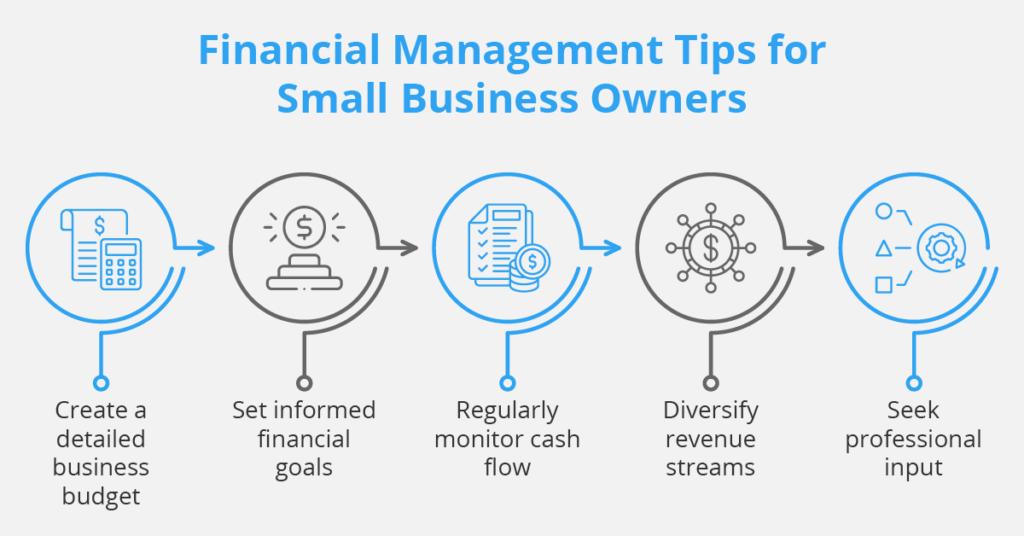
8. Stay Informed About Financial Trends The financial landscape is constantly evolving. By keeping up with industry trends and economic shifts, you can make more informed decisions for your business. Regularly reading financial publications, attending webinars, and networking with industry peers will provide you with valuable insights and help you stay ahead of the curve.
Conclusion: Take Charge of Your Financial Future
By incorporating these financial tips into your business practices, you can improve your financial management, reduce risks, and position your small business for sustained growth in 2025 and beyond. Keep track of your expenses, invest in automation, and make informed decisions that will set you up for long-term success.
For more practical tips and insights on how to optimize your small business operations, stay tuned to Zuk Technologies’ blog! We’re here to help you grow and succeed in the digital world.