



Having an online presence is vital for businesses of all sizes today. Whether you’re a local business or a global corporation, a website can significantly enhance your visibility, credibility, and overall success. This guide highlights why a website is crucial for your business and offers practical advice to help you make the most of your online presence.

Why a Website is Important:
Enhanced Visibility and Reach: With over 5.4 billion internet users worldwide, having a website is essential for increasing your business’s visibility and reach. Research shows that 93% of online experiences begin with a search engine, making a website crucial for being found by potential customers. A website ensures that your business is accessible around the clock, regardless of location or time zone. By optimizing your site with SEO, social media, email marketing, and online ads, you can attract your target audience and boost your online presence. Engaging content and encouraging user interaction also helps extend your reach and build a community around your brand.
Building Credibility and Trust: A website can help establish your business’s credibility and trustworthiness, especially since 81% of consumers research online before making a purchase according to saleslion. A professionally designed website serves as a digital storefront, offering valuable insights about your products, services, and values. Featuring customer testimonials, certifications, and industry affiliations can instill confidence in visitors, while a well-organized and visually appealing site conveys professionalism. Providing multiple contact options further demonstrates transparency and reliability, which is crucial since 75% of consumers judge a company’s credibility based on its website design.

Marketing and Branding Hub: Your website acts as a central platform for all your marketing efforts, enabling you to communicate your brand’s unique value and engage with your audience. Content marketing, which is 62% less expensive than traditional marketing but generates about three times as many leads, is more effective when centered around a website. Features like social media buttons and email signups help expand your audience and nurture leads, while performance tracking tools provide insights to optimize your marketing strategies.
Competitive Edge: In a highly competitive market, having a website is not just advantageous but necessary. Studies show that 56% of consumers don’t trust a business without a website, indicating that businesses without a digital presence risk losing potential customers. A website allows you to compete effectively with larger brands by providing a professional platform to showcase your offerings. Staying current with technological trends and consumer behavior ensures your website remains relevant and effective, giving you an edge over competitors.
Addressing Common Concerns:
Cost:
While some worry about the expense of developing a website, there are affordable options like DIY builders (e.g., Wix, Squarespace) and open-source platforms (e.g., WordPress) that offer flexibility and cost-efficiency. In fact, small businesses can expect to spend between $500 to $5,000 for a professional website from Zuk Technologies which is a worthwhile investment considering that businesses with a website see an average revenue growth of 15–50% according to clutch.
Complexity:
Building and managing a website may seem complex, but many tools and resources simplify the process. For example, over 30% of all websites globally are built using WordPress, a platform known for its user-friendly interface and extensive support community. Outsourcing tasks like design and technical support can also help achieve a professional outcome without overwhelming yourself.
Time and Maintenance:
Creating a website requires time, but setting clear goals, using pre-designed templates, and leveraging content management systems can streamline the process. Regular updates and security checks are essential for optimal performance and protection against cyber threats. Consider outsourcing maintenance tasks to professionals if needed, as websites that are regularly maintained are 50% less likely to experience downtime or security breaches.
Actionable Steps to Leverage Your Website:
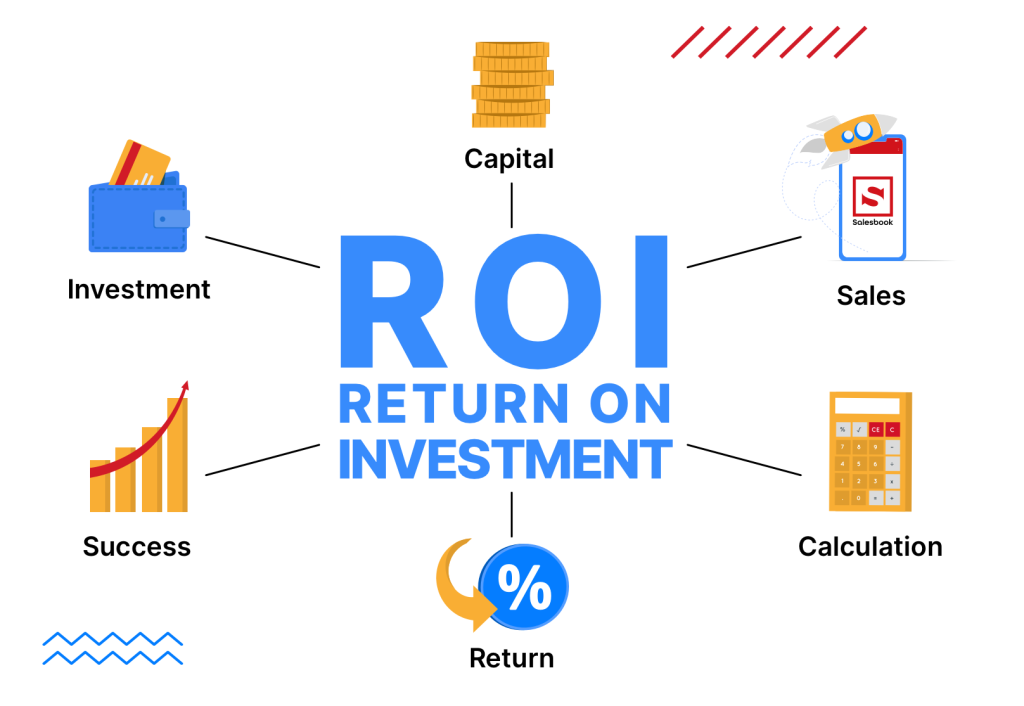
Define Your Objectives: Clarify your goals for having a website, such as increasing brand awareness, generating leads, or driving sales. According to HubSpot, businesses that prioritize blogging are 13 times more likely to see a positive ROI.
Optimize for SEO: Use relevant keywords and high-quality content to improve your search engine rankings and attract organic traffic. Websites on the first page of Google search results capture 92% of all traffic.
Ensure Mobile Optimization: With 59% of global web traffic coming from mobile devices, it’s essential to make your site mobile-friendly to cater to these users.
Track Performance: Use analytics tools to monitor website performance, understand user behavior, and refine your strategies. Businesses that regularly analyze their web data are 30% more likely to meet their business goals.
Conclusion:
A website is crucial for business growth in the digital era, providing a platform to expand visibility, build trust, and engage with customers. Despite initial challenges, the benefits of having a website far outweigh the costs and effort involved. By addressing concerns, staying updated on trends, and optimizing your online presence, your website can become a powerful tool that drives success and sets you apart from the competition.
If you’re in need of a professional website for your small business, reach us on +256770982201 today or visit www.zuktech.com